gpt-image-2 vs Nano Banana 2: Which AI Image Generator Should You Use?
Updated: April 2026 | Reading time: 14 min | Comparison: OpenAI GPT Image vs Google Nano Banana
The short version: gpt-image-2 is the better default if your team already works with OpenAI, needs GPT Image API integration, or wants high-quality image generation and editing inside an OpenAI workflow. Nano Banana 2 is stronger if you prefer the Google Gemini ecosystem, need fast image generation, subject consistency, world-knowledge-aware visuals, and SynthID provenance.
ChatGPT Image is a third-party creative tool and is not affiliated with OpenAI or Google. Model availability, pricing, watermarking behavior, and API terms should be verified in official provider documentation before production use.
gpt-image-2 vs Nano Banana 2 — Quick Verdict
Choose gpt-image-2 if you:
- Already use OpenAI APIs or ChatGPT-style image workflows.
- Need OpenAI's latest GPT Image model for high-quality generation and editing.
- Care about flexible image sizes and high-fidelity image inputs.
- Want a strong default for posters, product visuals, social assets, and image editing.
- Need consistency with other OpenAI developer tools and workflows.
Choose Nano Banana 2 if you:
- Prefer Google Gemini or AI Studio workflows.
- Need Flash-speed generation and editing inside the Google ecosystem.
- Care about subject consistency across people, products, and scenes.
- Need SynthID provenance metadata for AI-generated images.
- Want strong world-knowledge-aware image generation from Google DeepMind.
What Is Nano Banana 2?
Nano Banana 2 is Google's latest Nano Banana image generation model. Google describes it as a model that combines Pro capabilities with Flash speed, offering advanced world knowledge, production-ready specs, subject consistency, and fast image generation.
In the Gemini product experience, Nano Banana 2 can be accessed through Gemini's image generation and editing tools. Google also identifies Gemini 3.1 Flash Image as the model family associated with this image-generation experience.
- Provider: Google / Google DeepMind
- Product name: Nano Banana 2
- Model family: Gemini image generation
- Strengths: speed, subject consistency, world knowledge, production-ready outputs
- Provenance: invisible SynthID watermark on generated or edited images
What Is gpt-image-2?
gpt-image-2 is OpenAI's latest GPT Image model. OpenAI describes it as a state-of-the-art image generation model for fast, high-quality image generation and editing, with flexible image sizes and high-fidelity image inputs.
- Provider: OpenAI
- Model ID:
gpt-image-2 - Input: text and image, depending on endpoint and workflow
- Output: image
- Strengths: high-quality generation, editing, flexible sizes, OpenAI API integration
Full Feature Comparison Table
| Feature | gpt-image-2 | Nano Banana 2 |
|---|---|---|
| Provider | OpenAI | Google / Google DeepMind |
| Model family | GPT Image | Gemini image generation |
| Primary strength | High-quality generation and editing | Flash-speed generation with subject consistency |
| Image editing | Supported through OpenAI image workflows | Supported through Gemini image editing tools |
| World knowledge | Strong through OpenAI model context | A highlighted Google strength for Nano Banana 2 |
| Subject consistency | Strong for many workflows | Highlighted as a key Nano Banana 2 strength |
| Watermarking | Check current OpenAI output policy | Invisible SynthID watermark |
| Self-hosting | No official open-weight self-hosting path | No official open-weight self-hosting path |
| Best ecosystem fit | OpenAI API, ChatGPT-style workflows | Gemini app, Google AI Studio, Google ecosystem |
Pricing and Cost Comparison
Pricing should be checked directly in the current OpenAI and Google documentation before production decisions. The practical comparison is not just the listed model price, but also the number of retries, editing passes, failed generations, image size, quality settings, and accepted final outputs.
gpt-image-2 may be easier to adopt if your application already uses OpenAI. Nano Banana 2 may be more efficient if your workflow is already built around Gemini, Google AI Studio, or Google Cloud. For serious production use, compare total cost per approved final asset rather than cost per raw generation.
Best practice: benchmark both models with your own top 20–50 prompts before making pricing or migration decisions.
Text Rendering Comparison
Text rendering matters for posters, infographics, product labels, UI mockups, comic panels, slide visuals, and ads. Both gpt-image-2 and Nano Banana 2 are designed for modern image-generation workflows where text and layout quality are important.
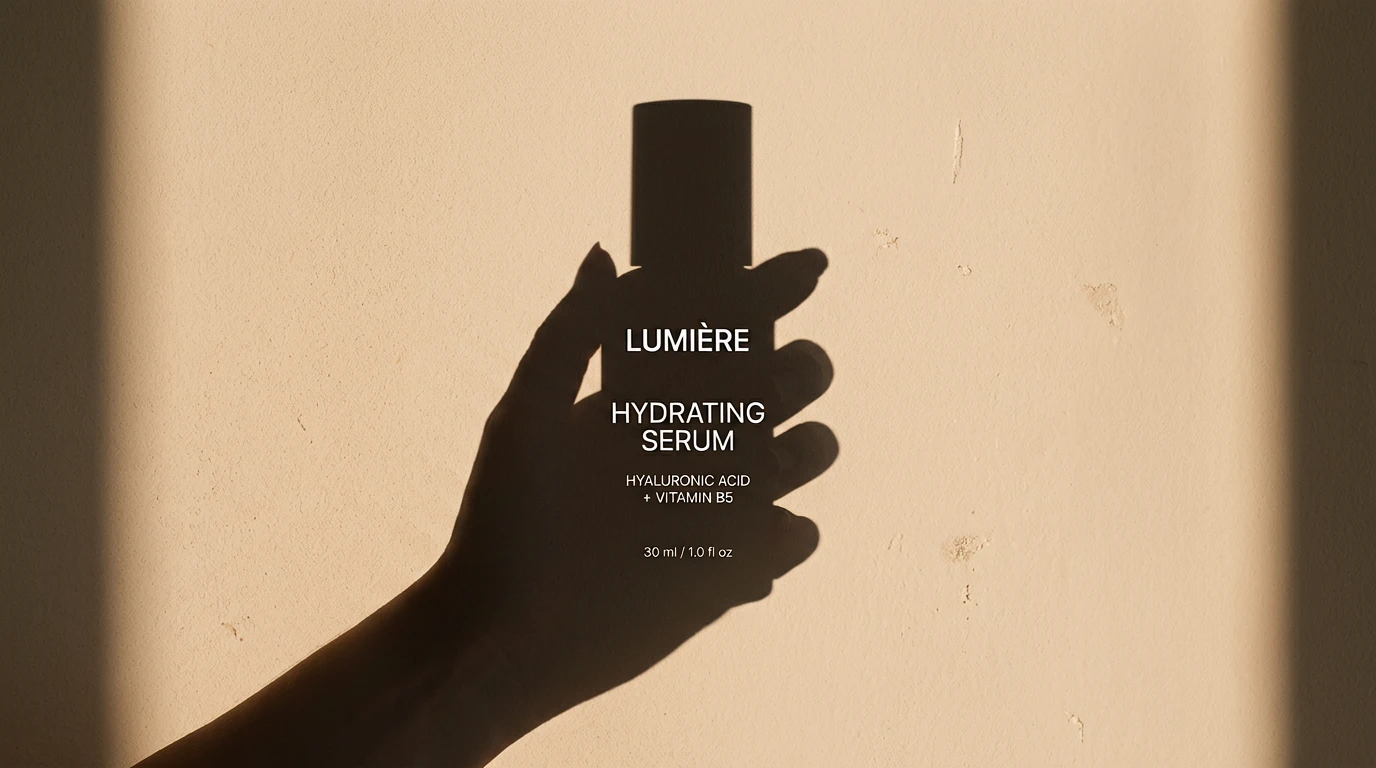
If you mainly work inside OpenAI tools, start with gpt-image-2. If you are building multilingual or Google ecosystem workflows, Nano Banana 2 deserves a direct test, especially when in-image editing and provenance are important.
Image Quality & Style Comparison
Both models are production-capable. gpt-image-2 is positioned as OpenAI's state-of-the-art image model for fast, high-quality generation and editing. Nano Banana 2 is positioned by Google as a Flash-speed model with production-ready specs, subject consistency, and advanced world knowledge.

In practice, the better model depends on the type of image you need. Test both on the same prompt set: product visuals, people, packaging, social graphics, posters, and multi-step edits. Do not choose based on model reputation alone.
Subject Consistency Comparison
Nano Banana 2 emphasizes subject consistency as a core strength. That matters for recurring characters, product campaigns, brand mascots, fashion try-ons, story sequences, and multi-image creative directions.
gpt-image-2 can also support strong identity and style consistency in many workflows, especially when prompts are carefully written and image inputs are used. But if subject consistency is your number-one buying criterion, Nano Banana 2 is one of the strongest models to test directly.
Speed and Latency Comparison
| Workflow | gpt-image-2 | Nano Banana 2 |
|---|---|---|
| Fast ideation | Strong, especially inside OpenAI workflows | A core Flash-speed positioning point |
| Editing loop | Strong for OpenAI image editing workflows | Strong in Gemini image editing tools |
| Production latency | Benchmark in your own app | Benchmark in your own app |
Resolution and Aspect Ratio Support
Both providers support modern image-generation workflows with flexible formats, but exact resolution, aspect ratio, editing, and export options may depend on product surface, API endpoint, model access, and current provider settings.
For SEO images, ad creatives, posters, social media posts, banners, app visuals, and product shots, test your actual required output sizes instead of relying on a generic “max resolution” claim.
Watermarking and Provenance
Google states that all images created or edited with Gemini 3.1 Flash Image models include an invisible SynthID digital watermark to identify them as AI-generated. This can be valuable for provenance, compliance, and AI-content disclosure workflows.
For gpt-image-2, review the latest OpenAI documentation and output policy for current provenance, metadata, and content-disclosure behavior. Do not assume that both providers handle watermarking, metadata, and AI disclosure in the same way.
API Comparison: Developer Integration
Choose gpt-image-2 if your product already uses OpenAI APIs, Responses, Chat Completions, or ChatGPT-style creative workflows. The OpenAI path is especially practical when image generation is part of a larger assistant, agent, content, or product-creation pipeline.
Choose Nano Banana 2 if your product is built around Gemini, Google AI Studio, Google Cloud, or Google's multimodal ecosystem. Nano Banana 2 is a stronger candidate when your image features depend on Google's world knowledge, subject consistency, and SynthID provenance.
Multilingual Support
Both gpt-image-2 and Nano Banana 2 are relevant for multilingual visual workflows: posters, product labels, travel graphics, social posts, explainers, and marketing materials with text across languages.
For multilingual work, test exact prompts in the languages you actually need. Pay attention to spelling accuracy, line breaks, typography, layout, and whether the model preserves brand tone across languages.
Commercial Terms
| Aspect | gpt-image-2 | Nano Banana 2 |
|---|---|---|
| Provider terms | OpenAI terms and API policies | Google terms and Gemini policies |
| Model weights | No open-weight self-hosting path | No open-weight self-hosting path |
| Commercial use | Review current OpenAI terms | Review current Google terms |
| Provenance | Check current OpenAI policy | SynthID watermarking stated by Google |
Before using either model for ads, client work, product packaging, or commercial campaigns, review current provider terms and check outputs for trademarks, likenesses, copyrighted characters, and other rights-sensitive content.
Use Case Comparison: Best Fit by Persona
Best for OpenAI-based products
gpt-image-2 is the better default when image generation is part of an OpenAI assistant, API workflow, or ChatGPT-style creative product.
Best for Google Gemini workflows
Nano Banana 2 is the better default when your team already uses Gemini, Google AI Studio, or Google Cloud tooling.
Best for subject consistency
Nano Banana 2 deserves strong consideration when recurring people, products, characters, or visual identities need to stay consistent across edits and outputs.
Best for image editing and generation in one OpenAI stack
gpt-image-2 is a strong choice if you want image generation and editing inside the same OpenAI developer workflow.
Where Nano Banana 2 Performs Better
- Google Gemini ecosystem integration.
- Flash-speed positioning for fast generation and editing.
- Subject consistency for recurring people, objects, and visual concepts.
- World-knowledge-aware image generation.
- Invisible SynthID watermarking for provenance.
- Strong candidate for teams already using Google AI Studio or Gemini tools.
Where gpt-image-2 Performs Better
- OpenAI API and ChatGPT-style workflow integration.
- Latest GPT Image model for fast, high-quality image generation and editing.
- Flexible image sizes and high-fidelity image inputs.
- Strong fit for products already using OpenAI developer tools.
- Good default for posters, product visuals, social graphics, image edits, and prompt-based creative workflows.
- Better choice when your broader product stack already depends on OpenAI models.
gpt-image-2 is better suited for OpenAI-native creative products, assistant-style workflows, and image generation pipelines where editing, prompt refinement, and API integration matter more than Google ecosystem alignment.
FAQ
What is Nano Banana 2?
Nano Banana 2 is Google's latest Nano Banana image generation model. Google describes it as a model built for Flash-speed image generation, strong subject consistency, world knowledge, and production-ready creative outputs.
What is gpt-image-2?
gpt-image-2 is OpenAI's latest GPT Image model for fast, high-quality image generation and editing. It supports flexible image sizes and high-fidelity image inputs, making it a strong default for new OpenAI image workflows.
Is Nano Banana 2 better than gpt-image-2?
It depends on your workflow. Nano Banana 2 is a strong choice for Google Gemini users, subject consistency, SynthID provenance, and fast visual iteration. gpt-image-2 is usually the better fit for OpenAI API users, ChatGPT-style workflows, image editing, and GPT Image model integration.
Can I self-host gpt-image-2 or Nano Banana 2?
No. Neither gpt-image-2 nor Nano Banana 2 is presented as an open-weight model for local self-hosting. Use the official OpenAI or Google access paths and review the current provider terms before production deployment.
Does Nano Banana 2 add watermarking?
Google states that images created or edited with Gemini 3.1 Flash Image models include an invisible SynthID digital watermark. This is useful for provenance, disclosure, and AI-generated content identification workflows.
Which model should developers test first?
Test gpt-image-2 first if your app already uses OpenAI APIs or ChatGPT-style workflows. Test Nano Banana 2 first if your product is built around Gemini, Google AI Studio, Google Cloud, or Google's multimodal ecosystem.
This comparison is written for practical product and SEO use. Model availability, pricing, API behavior, watermarking, and commercial terms can change, so always verify production decisions against official OpenAI and Google documentation.
Next Steps
Choose gpt-image-2 for OpenAI-native workflows. Choose Nano Banana 2 for Google Gemini workflows, subject consistency, and SynthID provenance.
Start Generating with GPT Image 2 →