gpt-image-2 vs Midjourney: Which AI Image Generator Is Better in 2026?
Updated: April 2026 | Reading time: 14 min | Comparison: OpenAI GPT Image vs Midjourney
Bottom line: choose gpt-image-2 if you want OpenAI-native image generation, image editing, practical marketing visuals, product-style outputs, and developer-friendly GPT Image workflows. Choose Midjourney if your priority is expressive art direction, atmospheric style exploration, and a mature creative community built around visual experimentation.
ChatGPT Image is a third-party creative tool and is not affiliated with OpenAI or Midjourney. Model availability, pricing, commercial terms, and platform behavior should be verified in official provider documentation before production use.
gpt-image-2 vs Midjourney — Quick Answer
gpt-image-2 and Midjourney serve different production needs. gpt-image-2 is better for OpenAI-native workflows, prompt-based image editing, and practical content assets. Midjourney is better for visual exploration when aesthetic style is more important than strict production constraints.
Choose gpt-image-2 if you:
- Already use OpenAI APIs, ChatGPT-style workflows, or GPT-based product features.
- Need image generation and image editing in one OpenAI-oriented workflow.
- Create posters, product visuals, ads, thumbnails, blog images, or layout-driven graphics.
- Care about prompt refinement, image inputs, and practical creative production.
- Need a workflow that can connect with broader OpenAI developer tooling.
Choose Midjourney if you:
- Prioritize expressive style, mood, atmosphere, and art direction.
- Want a mature community and strong visual inspiration loop.
- Are comfortable with a subscription-based creative workflow.
- Use AI image generation mainly for exploration rather than structured production.
Jump to Your Question
| Your question | Section |
|---|---|
| Which is better for posters and product visuals? | Use cases |
| Which is better for expressive art? | Image quality |
| How does pricing compare? | Pricing |
| Which is better for developers? | API and developer access |
| Can either model be self-hosted? | Self-hosting |
What Is gpt-image-2 vs Midjourney?
gpt-image-2
gpt-image-2 is OpenAI's latest GPT Image model for fast, high-quality image generation and editing. It is a strong fit for teams that already use OpenAI APIs, ChatGPT-style workflows, prompt refinement, image inputs, and structured creative production.
Midjourney
Midjourney is a closed, subscription-based AI image generation product known for highly stylized, expressive, and visually polished results. It is especially strong for art direction, mood exploration, fantasy imagery, surreal concepts, and visually rich creative experimentation.
The practical choice is not simply “which model is better.” It is whether your workflow needs production control, OpenAI integration, and editing behavior — or whether you need a strong aesthetic engine for art-first exploration.
Full Feature Comparison Table
| Feature | gpt-image-2 | Midjourney |
|---|---|---|
| Provider | OpenAI | Midjourney |
| Best known for | High-quality generation and editing in OpenAI workflows | Expressive stylized image generation |
| Workflow style | API and ChatGPT-style prompt workflow | Subscription creative platform with community-driven workflows |
| Image editing | Strong fit for image generation and editing workflows | Strong creative editing tools; verify current feature set by plan |
| Text-in-image use cases | Better starting point for posters, labels, graphics, and layouts | Test carefully; not always the main strength |
| Pricing model | OpenAI/API or hosted credit workflow depending on product surface | Subscription plans |
| Commercial use | Review OpenAI or platform terms | Review Midjourney terms and plan rules |
| Self-hosting | No official open-weight self-hosting path | No official open-weight self-hosting path |
Pricing Comparison
Midjourney uses subscription plans that renew monthly or yearly unless cancelled. That makes it easy for frequent creative users to budget around a recurring plan, but it is less flexible for people who generate in occasional project-based bursts.
gpt-image-2 pricing depends on the official OpenAI API or the hosted product surface you use. If you use ChatGPT Image on this site, pricing may be based on free trial access and optional credit packs. If you use OpenAI directly, verify current model pricing in the official OpenAI documentation.
Compare total cost per approved final image, not just the headline plan price. Retries, edits, failed outputs, and prompt testing can change the real production cost.
Image Quality Comparison
Where Midjourney often performs better
Midjourney remains one of the strongest choices for expressive, style-forward image generation. It is especially good for surreal visuals, fantasy scenes, atmospheric lighting, painterly looks, editorial mood, and art direction where visual impact is more important than exact production constraints.
Where gpt-image-2 often performs better
gpt-image-2 is a stronger default for structured creative workflows: product visuals, marketing assets, ads, posters, social graphics, image editing, and prompt-based production work where the output must match a specific brief.
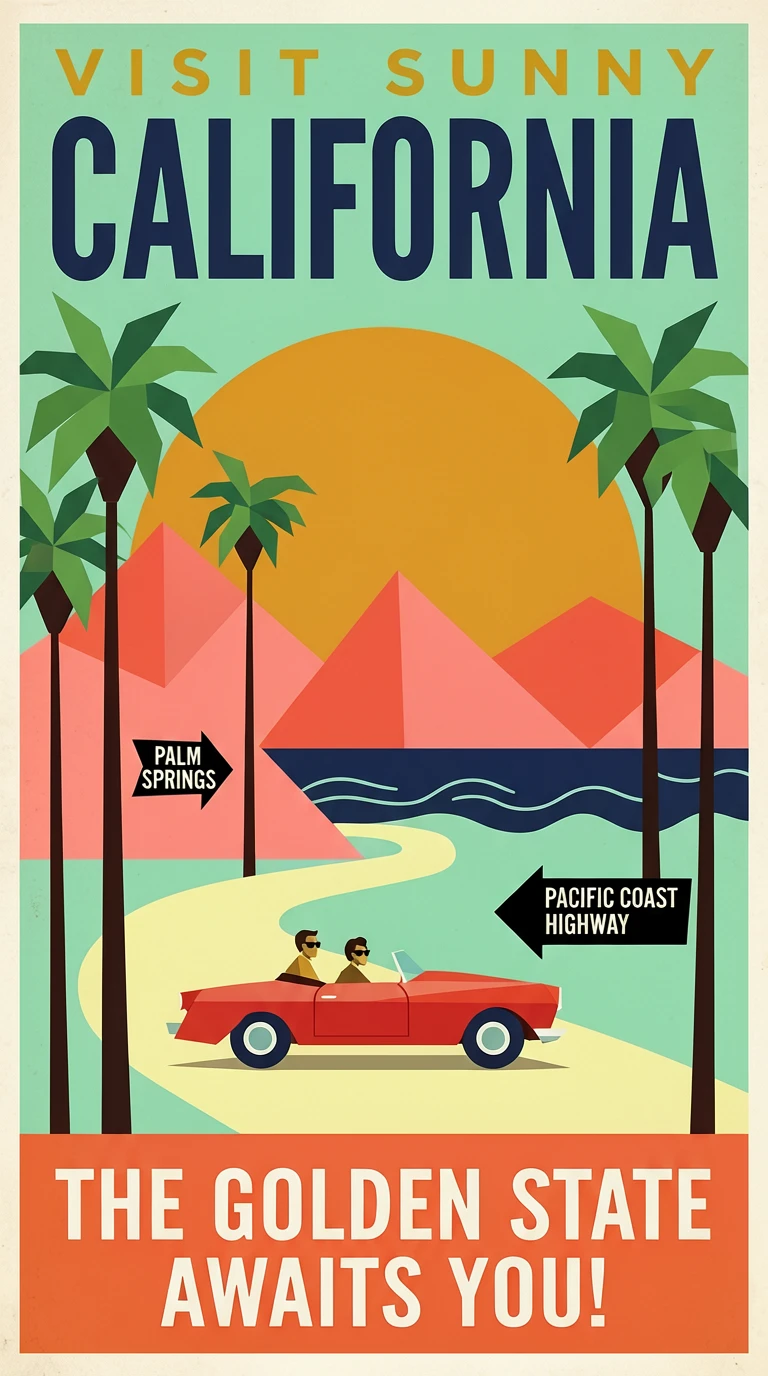
Text Inside Images
Text rendering is one of the clearest practical differences in AI image generator workflows. Posters, product labels, thumbnails, UI mockups, infographics, packaging concepts, and comic panels all depend on text that is legible and placed correctly.
For text-heavy production tasks, start with gpt-image-2 and test your exact prompt structure. Midjourney can produce beautiful image compositions, but text accuracy and layout consistency should be reviewed carefully before using the output in production.
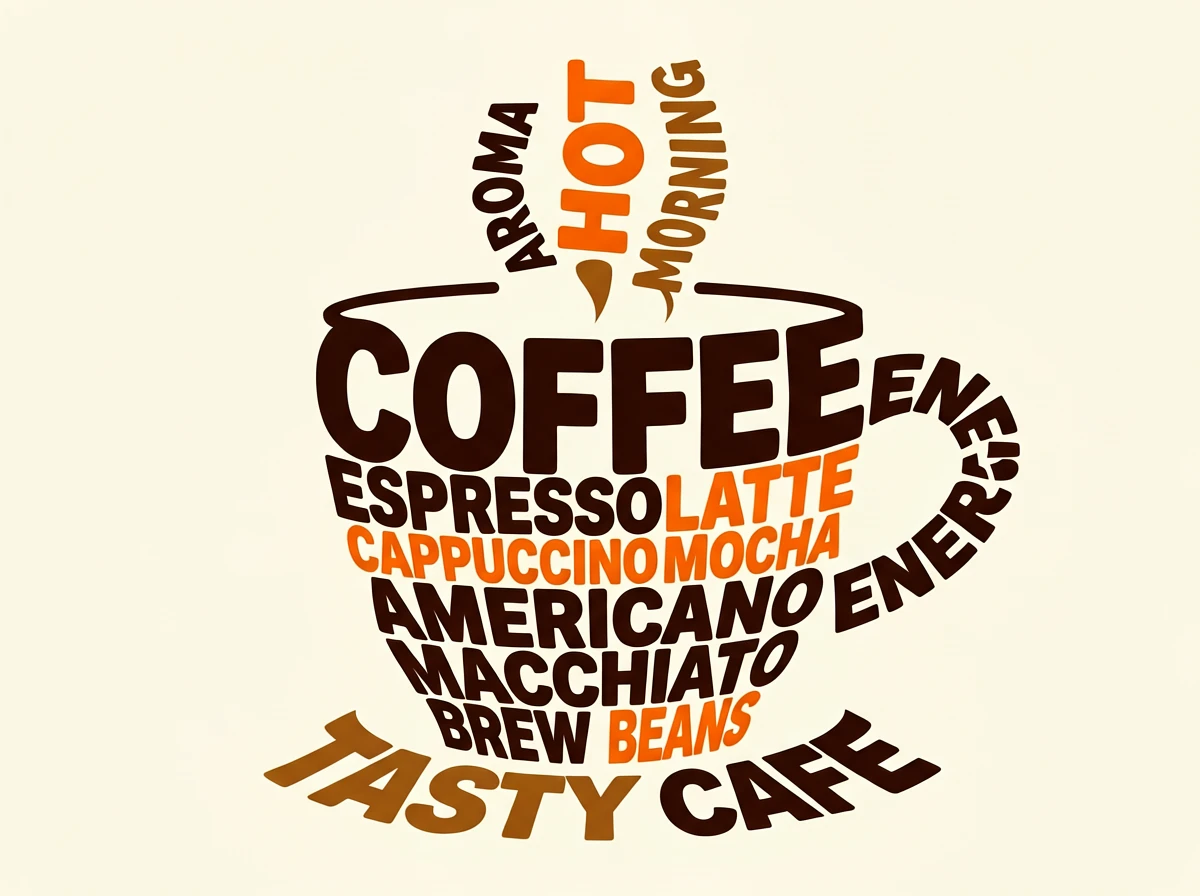
Image Editing Comparison
gpt-image-2 is designed for image generation and editing workflows, making it a strong choice when users need to refine an input image, adjust a visual direction, or build image generation into a larger assistant-style product.
Midjourney also offers creative editing workflows, but its strength is still strongly associated with image creation, variation, stylization, and visual exploration. For production image editing, compare both tools using your own source images and final output requirements.
Ease of Use: ChatGPT-Style Workflow vs Midjourney Workflow
gpt-image-2 fits naturally into prompt-based OpenAI workflows: describe the image, refine the result, add an input image if needed, and connect the generation process to other text, agent, or content systems.
Midjourney has a mature creative workflow and a large community culture around visual prompting. It can be very productive for artists and visual explorers, but teams that need predictable production assets may prefer a more structured OpenAI or API-centered workflow.
For prompt writing patterns, see the GPT Image 2 prompt guide.
Speed Comparison
Speed depends on model access, image size, prompt complexity, queueing, plan limits, and product surface. Midjourney plan documentation includes different plan tiers and speed-related features, while gpt-image-2 performance depends on OpenAI access path and workflow configuration.
The right way to compare speed is to benchmark the same prompt set across both tools. Measure not just first output time, but time to accepted final image. A tool that needs fewer retries may be faster in practice even if one raw generation takes longer.
API & Developer Access
gpt-image-2 is the better fit for developers building image generation into products, assistant workflows, CMS tools, ad creative systems, ecommerce pipelines, or internal content platforms that already use OpenAI tooling.
Midjourney is better approached as a creative product rather than a default infrastructure layer. If your project depends on automated generation, batch jobs, app-level user flows, or agentic content pipelines, verify current developer access, rate limits, terms, and integration options directly from Midjourney before committing to it.
Commercial Terms
Commercial rights and usage rules should be checked directly with the relevant provider. Midjourney's official documentation explains ownership and use of generated assets under its terms. OpenAI and any hosted GPT Image product surface also have separate terms and policies.
For commercial projects, review the image for protected trademarks, copyrighted characters, public figures, brand safety, likeness issues, and disclosure requirements before publishing. Do not treat any AI image generator as a substitute for legal, brand, or rights review.
Bilingual & Multilingual Workflows
Multilingual image generation is important for global brands, travel campaigns, ecommerce labels, social posts, and bilingual posters. gpt-image-2 is a strong candidate when image generation is part of a broader text and language workflow connected to OpenAI tools.
Midjourney can be very strong visually, but you should test exact multilingual text requirements directly: spelling, line breaks, script rendering, layout balance, and whether the result preserves brand tone across languages.
Self-Hosting: Can You Run Either Model Locally?
Neither gpt-image-2 nor Midjourney is presented as an open-weight model for local self-hosting. Both should be treated as managed provider workflows rather than locally deployable model weights.
If local deployment, private inference, or model-weight control is a hard requirement, you should evaluate open-source image models separately rather than positioning either gpt-image-2 or Midjourney as a self-hosted option.
Use Case Breakdown: Who Should Use Which?
Digital artists and illustrators: Midjourney
Midjourney is a strong choice for expressive art, style exploration, fantasy visuals, surreal compositions, and mood-first creative direction.
Marketers and content teams: gpt-image-2
gpt-image-2 is a better default for campaign visuals, product images, ad concepts, thumbnails, blog images, social graphics, and prompt-driven production assets.
Developers and product teams: gpt-image-2
gpt-image-2 is better aligned with API-connected workflows, OpenAI model stacks, agentic content systems, and product features that generate images programmatically.
Creative agencies: test both
Agencies may use Midjourney for visual exploration and gpt-image-2 for production drafts, editing workflows, and structured campaign assets. The best answer depends on the client brief.
Choose Midjourney for art direction. Choose gpt-image-2 for OpenAI-native production workflows.
Where Midjourney Performs Better
- Expressive art direction and visually rich stylization.
- Fantasy, surreal, atmospheric, and mood-heavy images.
- Large creative community and prompt-sharing culture.
- Strong visual inspiration workflow for artists and designers.
- High aesthetic ceiling when exact brief compliance is less important.
Where gpt-image-2 Performs Better
- OpenAI API and ChatGPT-style workflow integration.
- Image generation and editing in one GPT Image model workflow.
- Practical production assets such as ads, posters, product visuals, and social graphics.
- Text-aware layouts where typography, labels, and visual hierarchy matter.
- Developer workflows that connect image generation to broader AI applications.
gpt-image-2 is better suited for teams that treat image generation as part of a broader content, product, or automation workflow.
FAQ
Is gpt-image-2 a Midjourney alternative?
Yes, but it is not a one-to-one replacement. gpt-image-2 is a strong alternative for OpenAI-native workflows, image editing, text-aware graphics, and production visuals. Midjourney remains very strong for expressive art and stylized visual exploration.
Is Midjourney subscription-based?
Yes. Midjourney's official documentation describes its plans as subscriptions that renew monthly or yearly unless cancelled. Always check the current plan page before buying.
Which is better for posters and graphic design?
Start with gpt-image-2 if the poster depends on text, layout, product placement, labels, or structured composition. Use Midjourney if the poster is primarily about mood, art direction, or expressive style.
Which is better for pure art?
Midjourney is often the better choice for pure art exploration, surreal imagery, fantasy visuals, painterly style, and atmospheric image-making. gpt-image-2 is stronger when the image must fit a defined production workflow.
Can I self-host gpt-image-2 or Midjourney?
No. Neither should be described as an open-weight self-hosted model. Use official provider access paths, and evaluate open-source image models separately if local deployment is required.
This comparison is written for practical SEO and product evaluation. Pricing, commercial rights, developer access, and model behavior can change over time. Verify Midjourney details in official Midjourney documentation and verify gpt-image-2 details in official OpenAI documentation before production use.
Next Steps
Choose gpt-image-2 for OpenAI-native production workflows. Choose Midjourney for expressive art direction and visual exploration.
Start Generating with GPT Image 2 →